

Prototyping is an essential tool in the Business Analyst’s (BA’s) toolkit. It involves creating early models or versions of a product to visualize and test solutions before the final implementation. This approach not only brings clarity to complex projects but also bridges the gap between stakeholders’ expectations and the development team’s understanding.
In this blog, we’ll unpack why prototyping is crucial in business analysis, explore different types of prototypes, and see how they can lead to delivering project successes.
Importance of Prototyping in Requirements Gathering and Validation
Prototyping isn’t just a fancy buzzword; it’s a game-changer in gathering and validating stakeholder requirements. Here’s why:
Clarity and Precision: Prototypes provide a visual representation of the product, making it easier for stakeholders to understand and provide feedback. This helps refine requirements and ensure they are well-defined and precise.
Early Detection of Issues: By creating a prototype, potential issues and design flaws can be identified early in the project lifecycle. This allows for adjustments before significant resources are invested in the development phase.
Stakeholder Engagement: Engaging stakeholders with a tangible prototype increases their involvement and investment in the project. It ensures their needs and expectations are accurately captured and addressed.
Better Communication: Prototypes serve as a common language between Business Analysts, developers, and stakeholders, facilitating better communication and reducing the risk of misunderstandings.
Different Types of Prototypes and Their Applications
Prototypes come in all shapes and sizes, each with its own purpose and often serving initiatives at different stages. Let’s break it down:
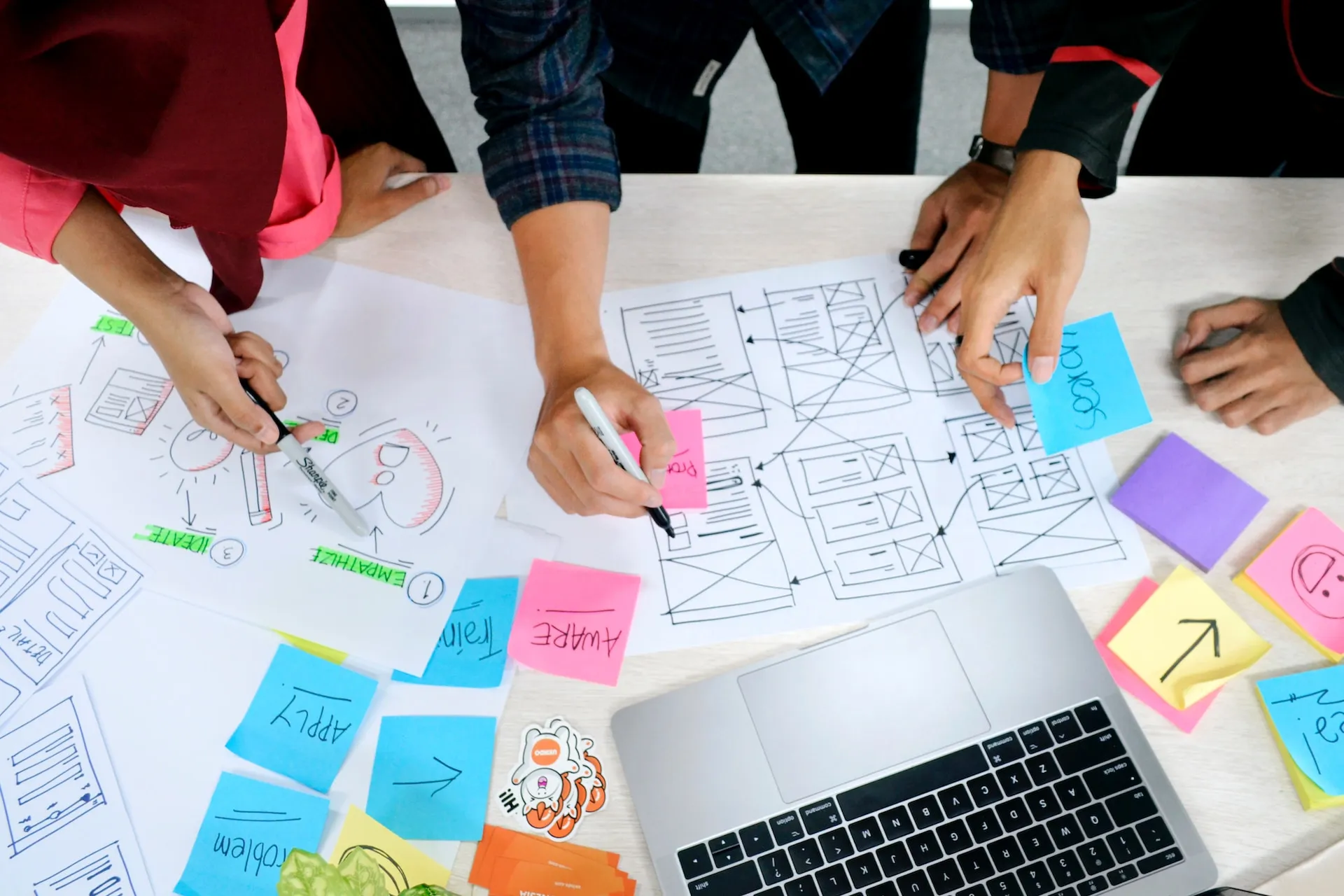
Low-Fidelity Prototypes: These are your basic sketches or wireframes. Quick to create and perfect for brainstorming sessions and early feedback.
High-Fidelity Prototypes: These are more detailed and interactive models that closely resemble the final product. They’re great for testing user interactions and workflows, giving you a real feel of the end product.
Throwaway Prototypes: Also known as rapid prototypes, these are created to explore ideas and concepts without committing to a specific design. They’re usually discarded after they’ve served their purpose.
Evolutionary Prototypes: These prototypes are continuously refined and eventually evolve into the final product. They’re built using code or prototyping tools and typically simulate processes, systems, rules, or logic. They are most beneficial in projects where requirements are expected to change over time.
Examples Showcasing Successful Prototyping Initiatives
To illustrate how beneficial prototypes really are, I’ve put together two fictional mini case studies of how prototyping drives the success of change initiatives:
Case Study 1: E-Commerce Website Redesign
A leading e-commerce company wanted to revamp its website to boost user experience and sales. The BA gathered initial requirements and collaborated with developers to create low-fidelity wireframes outlining the new layout and navigation. After initial stakeholder feedback, a high-fidelity interactive prototype was developed to simulate the user journey. This prototype was used for usability testing, gathering insights from actual users. The iterative feedback process led to a final design that improved user satisfaction and boosted sales by 20%.
Case Study 2: Mobile Banking App Development
A financial institution aimed to launch a new mobile banking app. Once requirements were gathered, the Business Analyst and project team used evolutionary prototyping to develop the app in phases. Starting with a basic version, they gradually added features based on user feedback and changing conditions. The continuous prototyping and feedback loop resulted in a user-friendly app that received rave reviews and saw rapid adoption.
The Role of Prototyping in Enhancing Stakeholder Engagement and Project Success
Prototyping is a powerful technique in business analysis that enhances stakeholder engagement and contributes to project success. By providing a tangible representation of the final product, prototypes help clarify requirements, identify issues early, and facilitate better communication. Whether through low-fidelity sketches or high-fidelity interactive models, prototyping ensures that the end product aligns with stakeholder expectations and delivers value. Embracing prototyping in business analysis not only mitigates risks but also paves the way for innovative and successful project outcomes.
-Jeremy Aschenbrenner
The BA Guide